
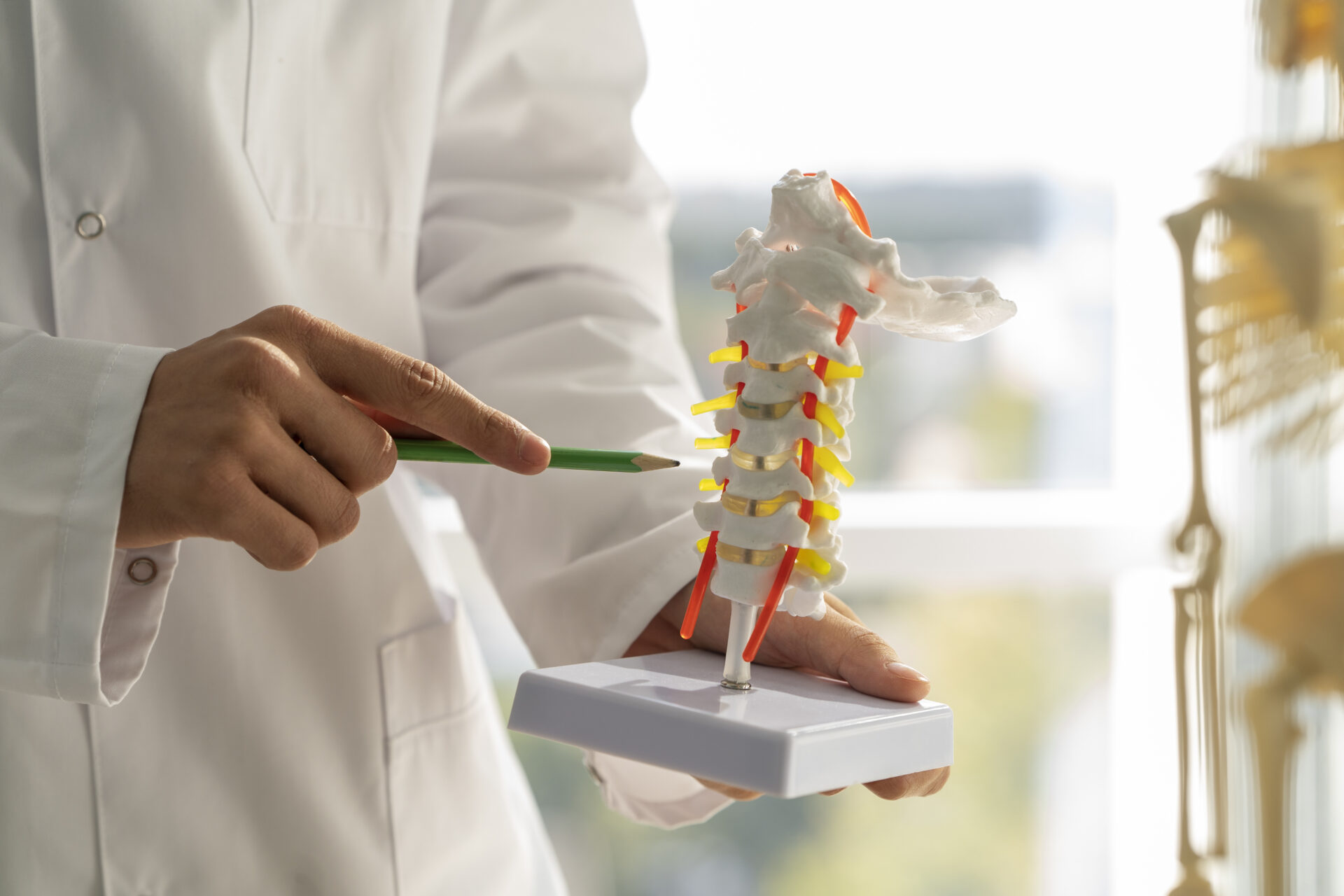
Degenerative disc disease can sound serious, but it does not always mean you need surgery. For many patients, it means the discs between the bones of the spine have started to wear down, lose hydration, or become less flexible over time.
Some people have disc changes without major symptoms. Others may experience chronic back pain, neck pain, stiffness, nerve irritation, or pain that travels into the arms or legs.
If you are searching for treatment for degenerative disc disease, the first thing to know is that treatment should not start with a procedure. It should start with understanding where the pain is coming from, how it affects your movement, and which approach fits your condition.
At Gramercy Pain & Neuroscience Center in Beverly Hills, care focuses on advanced treatment for spine, joint, and nerve conditions, with a mission to help patients alleviate pain, restore function, and improve overall well-being.
Step 1: Understanding What Degenerative Disc Disease Means
Degenerative disc disease happens when spinal discs begin to break down due to aging, wear and tear, injury, repetitive strain, or genetic factors.
The spinal discs act like cushions between the vertebrae. When they lose hydration and flexibility, they may become less effective at absorbing pressure. This can lead to pain, stiffness, reduced mobility, and sometimes nerve-related symptoms.
Disc degenerative disease occurs when the discs between the vertebrae break down due to age, wear and tear, or injury, causing the discs to lose hydration and flexibility.
Degenerative disc disease may affect the:
Lower back
This may cause low back pain, stiffness, hip discomfort, or pain that travels into the buttocks or legs.
Neck
This may cause neck pain, headaches, shoulder pain, arm pain, numbness, or tingling.
Mid-back
This may cause thoracic pain, stiffness, reduced mobility, or pain that wraps around the chest or ribs.
Step 2: Knowing the Symptoms
Degenerative disc disease can feel different from one patient to another. Some patients feel pain only during movement. Others feel pain after sitting, standing, or sleeping for long periods.
Common symptoms may include:
- Chronic back or neck pain
- Stiffness in the spine
- Reduced flexibility
- Muscle spasms
- Pain that becomes worse with sitting or standing
- Pain that improves when changing position
- Numbness or tingling
- Pain that travels into the arms, hips, buttocks, or legs
- Weakness if nerves are affected
Pain may become worse when the disc changes irritate nearby nerves, joints, or surrounding tissues.
Step 3: Getting the Right Diagnosis
The right treatment depends on the right diagnosis. Degenerative disc disease is not treated the same way for every patient because the pain may come from different sources.
For example, pain may come from the disc itself, surrounding joints, irritated nerves, inflammation, muscle tension, or changes in spinal stability.
A specialist may review:
- Your symptoms and pain pattern
- How long the pain has been happening
- What makes the pain better or worse
- Your work habits and daily activities
- Your previous injuries or treatments
- Your movement, strength, reflexes, and sensation
- Imaging results when needed
The goal is not only to see disc degeneration on an MRI. The goal is to understand whether those disc changes are actually causing your pain.
Step 4: Starting With Conservative Treatment When Appropriate
Many patients begin with conservative care before moving to advanced treatment options.
Conservative treatment may include:
Physical therapy
A guided program may help strengthen the muscles that support the spine, improve flexibility, and reduce stress on painful areas.
Activity modification
Avoiding repeated strain, sitting for a long time, poor lifting technique, or sudden overload may help reduce flare-ups.
Posture correction
Better posture may reduce pressure on the neck and lower back, especially for patients who sit for long hours.
Medication when appropriate
A physician may recommend medication to help manage pain or inflammation depending on the patient’s condition.
Lifestyle support
Weight management, safe exercise, better sleep habits, and regular movement may help support long-term spine health.
Conservative care may not solve every case, but it is often an important first step.
Step 5: Considering Targeted Injections
If conservative treatment does not provide enough relief, targeted injections may be considered. These treatments are designed to reach a specific pain source instead of treating the entire body generally.
At Gramercy, epidural steroid injections are described as targeted treatments that may reduce inflammation and restore mobility. Facet joint injections are another precise option for chronic pain relief and mobility support.
Targeted injections may be considered when pain is related to:
- Inflamed spinal nerves
- Disc-related nerve irritation
- Facet joint pain
- Lower back or neck inflammation
- Pain that travels into the arms or legs
Injections may also help the provider better understand where the pain is coming from.
Step 6: Treating Nerve-Related Pain
Degenerative disc disease may sometimes irritate or compress nearby nerves. When this happens, pain may travel beyond the spine.
For example, lower back disc changes may cause pain that travels into the buttocks or legs. Neck disc changes may cause pain, numbness, or tingling into the shoulder, arm, or hand.
For chronic nerve-related pain, a specialist may consider nerve-focused treatments.
At Gramercy, we use pulsed radiofrequency neuromodulation as a minimally invasive treatment option for certain types of chronic back and neck pain, including pain related to herniated discs, degenerative disc disease, and spinal arthritis.
The goal of these treatments is to calm pain signals and improve function without traditional open surgery.
Step 7: Exploring Minimally Invasive Spine Options
Some patients may require more advanced care if pain becomes chronic, function is limited, or conservative options are not enough.
At Gramercy, we specialize in minimally invasive spine treatments for chronic pain conditions, including basivertebral nerve ablation for chronic vertebrogenic back pain. This treatment is designed to target the source of pain within the vertebrae and may help selected patients improve comfort and function.
This may be relevant for some patients when pain is associated with vertebral endplate changes or vertebrogenic pain patterns, but it is not appropriate for every case of degenerative disc disease.
A specialist can determine whether a minimally invasive treatment is suitable after a full evaluation.
Step 8: Supporting the Spine Long-Term
Treatment for degenerative disc disease should not only focus on short-term pain relief. It should also focus on protecting the spine and reducing future flare-ups.
Long-term spine support may include:
- Strengthening the core and back muscles
- Avoiding long periods of sitting without movement
- Using proper lifting technique
- Maintaining a healthy weight
- Staying active with safe exercise
- Improving workstation posture
- Avoiding repeated bending and twisting
- Following a personalized treatment plan
Degenerative disc disease is often a long-term condition, so the goal is to manage symptoms, improve mobility, and help the patient stay active.
When Is Surgery Needed?
Surgery is not always needed for degenerative disc disease. Many patients may improve with non-surgical or minimally invasive care.
However, surgery may be considered if there is severe nerve compression, progressive weakness, spinal instability, loss of bladder or bowel control, or symptoms that do not improve with appropriate treatment.
The goal is not to avoid surgery in every case. The goal is to choose the safest and most effective treatment based on the diagnosis.
Degenerative Disc Disease Treatment in Beverly Hills, Los Angeles, Sherman Oaks, Encino, Brentwood, and Santa Monica
Patients in Beverly Hills, Los Angeles, Sherman Oaks, Encino, Brentwood, and Santa Monica often look for advanced spine care that helps them reduce pain and improve quality of life without immediately moving toward surgery.
Gramercy Pain & Neuroscience Center serves patients seeking care for spine, joint, and nerve conditions in an elegant healthcare space.
If you are searching for treatment for degenerative disc disease, the best first step is a personalized evaluation to understand the source of your pain and choose the right care plan.
Final Thoughts
Degenerative disc disease can cause chronic back pain, neck pain, stiffness, nerve irritation, and reduced mobility. But it does not always mean surgery.
Treatment may include conservative care, physical therapy, targeted injections, nerve-focused treatments, minimally invasive spine care, and long-term lifestyle support.
At Gramercy Pain & Neuroscience Center in Beverly Hills, patients receive personalized care focused on identifying the source of pain, improving function, and supporting a better quality of life.