

What is Dorsalgia?

Related Diagnoses
Lumbar Facet Arthritis

Lumbar Radiculopathy & Sciatica

Lumbar Muscle Spasms

Lumbar Spinal Stenosis

Degenerative Disc Disease

Vertebral Fractures
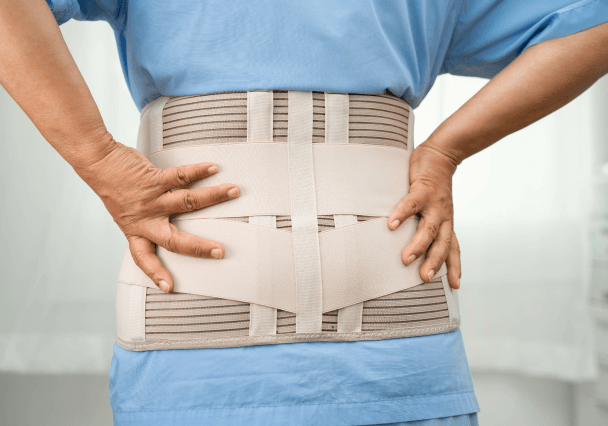
Post-Surgical Spinal Pain
Multifidus Muscle Dysfunction

Vertebrogenic Pain Syndrome
Cluneal Neuralgia
Lumbar Disc Herniation
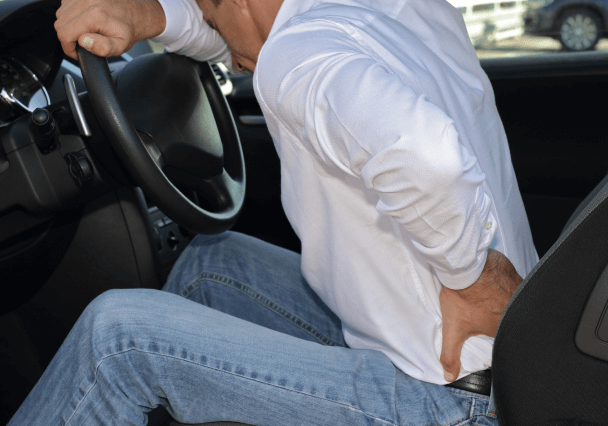
Whiplash & Lumbar Strain
Expanded Guide
Lumbar Facet Arthritis
Lumbar Facet Arthritis, also known as Lumbar Spondylosis, is a degenerative condition that affects the facet joints in the lower back (lumbar spine). These facet joints connect the vertebrae in the spine and allow for movement and flexibility, such as bending and twisting. Over time, due to age, wear and tear, or injury, the cartilage in these joints can break down, leading to inflammation, stiffness, and pain—characteristics of arthritis.
This condition typically develops as part of the natural aging process, where the discs between the vertebrae lose hydration and shrink, increasing stress on the facet joints. As the cartilage wears away, bones can rub against each other, causing discomfort and further degeneration. In some cases, this can also lead to bone spurs (osteophytes), which may irritate surrounding nerves and contribute to conditions like spinal stenosis. Symptoms of lumbar facet arthritis include lower back pain, especially after periods of inactivity or in the morning. Other symptoms are stiffness, limited range of motion, and pain that may radiate to the buttocks or thighs.
Lumbar Radiculopathy & Sciatica
These are related conditions that involve nerve compression in the lower back. However, they differ in specific causes and manifestations. Lumbar Radiculopathy refers to nerve irritation or compression in the lower (lumbar) spine, causing pain, numbness, tingling, or weakness that radiates along the path of the affected nerve. This condition occurs when the spinal nerves that exit the lumbar vertebrae become pinched. Common causes include herniated discs, spinal stenosis, bone spurs, or degenerative disc disease. The symptoms of lumbar radiculopathy vary depending on which nerve root the compression affects, and the pain can travel from the lower back down into the legs or feet.
Sciatica is a specific type of lumbar radiculopathy that refers to the irritation or compression of the sciatic nerve, the longest nerve in the body. The sciatic nerve originates from the lower spine (L4-S3) and runs through the buttocks and down the back of each leg. Compression of this nerve often comes from a herniated disc, spinal stenosis, or spondylolisthesis. This compression causes sharp, shooting pain that radiates from the lower back, through the buttocks, and down the leg. The pain often reaches the foot. Sciatica usually affects only one side of the body. Numbness, tingling, or muscle weakness in the affected leg can accompany it.
Lumbar Muscle Spasms
A lumbar muscle spasm is an involuntary contraction or tightening of the muscles in the lower back, often causing intense pain and making movement difficult. These spasms can result from various causes, such as muscle strain due to heavy lifting, overuse from repetitive activities, poor posture, or injuries like falls or accidents. Additionally, lumbar muscle spasms may occur as a symptom of underlying conditions such as herniated discs, spinal stenosis, or arthritis. The primary symptom is a sudden, sharp pain in the lower back, accompanied by muscle stiffness, tightness, and restricted movement. In some cases, the pain may radiate to the buttocks or legs, and the affected area may be tender to the touch.
Lumbar Spinal Stenosis
Lumbar spinal stenosis is a condition in which the spinal canal in the lower back becomes narrowed, leading to pressure on the spinal cord and nerves. This narrowing can result from various causes, most commonly age-related degenerative changes such as osteoarthritis, herniated discs, bone spurs, and thickened ligaments. As the spine ages, the discs lose water and shrink, reducing the space within the spinal canal. Bone overgrowth from osteoarthritis or a slipped vertebra (spondylolisthesis) can further contribute to this narrowing.
Symptoms of lumbar spinal stenosis often develop gradually, and activities like standing or walking worsen them. They commonly include lower back pain, tingling, numbness, or weakness that radiates into the buttocks, thighs, or legs, a condition known as neurogenic claudication. Cramping in the legs and difficulty walking may also occur. In severe cases, there can be a loss of bladder or bowel control, known as cauda equina syndrome. This is a medical emergency.
Degenerative Disc Disease
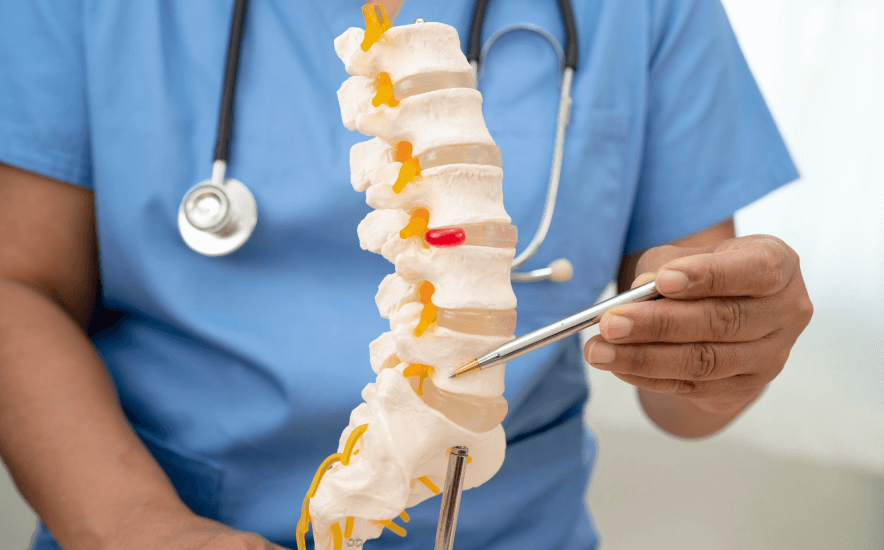
Lumbar Degenerative Disc Disease (DDD) occurs when the intervertebral discs in the lower back begin to break down due to natural age-related wear and tear. Despite the name “disease,” it is actually a degenerative process that happens over time. These discs act as cushions between the vertebrae, providing shock absorption and flexibility. As people age, the discs lose hydration and elasticity, becoming thinner and less able to support the spine. Repetitive stress, heavy lifting, or injury can also accelerate this degeneration, leading to pain and other symptoms. The primary symptom of lumbar DDD is lower back pain, which can range from mild to severe, often worsening with activities like sitting, bending, or lifting. In some cases, the pain may radiate to the hips, buttocks, or legs, and people may experience numbness, tingling, or weakness if the damaged discs compress nearby nerves.
Vertebral Fractures
A thoracolumbar compression fracture is a spinal fracture in the mid-back (thoracic) or lower back (lumbar) regions. It often involves the collapse or compression of a vertebra. This can lead to pain, reduced mobility, and potentially serious complications if left untreated. These fractures commonly result from trauma, such as falls or car accidents. They also commonly result from weakened bones due to conditions like osteoporosis. Osteoporosis makes vertebrae more susceptible to fractures even with minor stress. Symptoms typically include limited spinal mobility and sudden, sharp pain in the middle or lower back that worsens with movement. In some cases, there is also loss of height or a hunched posture (kyphosis). In severe cases, nerve compression may cause radiating pain, numbness, or weakness in the legs.
Post-Surgical Spinal Pain
Post-surgical spinal pain, also known as failed back surgery syndrome (FBSS) or post-laminectomy syndrome, refers to persistent or recurring pain following spinal surgery. Surgeons often perform spinal surgery to alleviate pain from conditions such as herniated discs, spinal stenosis, or degenerative disc disease. However, some patients continue to experience pain or develop new discomfort after the procedure. This can happen even if the surgery technically succeeded in addressing the initial issue.
This pain may result from various factors. These include incomplete resolution of the original problem, scar tissue formation around nerves, nerve damage, or spinal instability. Adjacent segment disease (degeneration of the spinal segments near the surgery site) or complications like infection can also contribute. The primary symptom is ongoing or new pain at the surgery site, which may radiate to the legs or arms. The pain may come with numbness, tingling, or weakness that can impact mobility and quality of life.
Multifidus Muscle Dysfunction
Multifidus muscle dysfunction refers to the impaired function of the multifidus muscles. These deep muscles along the spine are responsible for stabilizing and supporting the spine during movement. When these muscles become weakened or inactive, it can lead to reduced spinal stability, chronic back pain, and an increased risk of injury. Factors such as injury, poor posture, or prolonged inactivity can cause this dysfunction. Other causes include spinal conditions like herniated discs or degenerative disc disease, as well as nerve compression. Post-surgical changes can also cause it, particularly after spinal surgery. Symptoms of multifidus muscle dysfunction typically include chronic lower back pain, a sense of weakness or instability in the spine, poor posture, and a limited range of motion.
Vertebrogenic Pain Syndrome
Vertebrogenic pain syndrome refers to pain that originates from the vertebrae, the bones of the spine, often caused by structural issues such as degenerative disc disease, vertebral fractures, or osteoarthritis. This condition typically results in chronic back pain, which may worsen with movement or prolonged sitting or standing. It can also radiate to other areas, like the shoulders, arms, or legs, if nerve compression occurs. Common causes of vertebrogenic pain include degenerative disc disease, where the discs between vertebrae wear down. Other common causes are spinal arthritis and vertebral fractures from trauma or osteoporosis. So are conditions like spondylolisthesis, where one vertebra slips over another, leading to instability. Symptoms often include stiffness, reduced spinal mobility, and muscle spasms.
Cluneal Neuralgia
Cluneal neuralgia is a condition in which irritation or compression of the cluneal nerves causes pain. These nerves supply sensation to the lower back, upper buttocks, and hips. The pain can range from mild to severe, with sensations often described as sharp, burning, or stabbing. Trauma, injury, muscle strain, or surgical complications that damage or compress these nerves can trigger it. This particularly involves the superior cluneal nerves. Doctors sometimes mistake cluneal neuralgia for other conditions like sciatica because of its similar symptoms.
Lumbar Disc Herniation
Lumbar disc herniation occurs when an intervertebral disc in the lower back ruptures or bulges out of its normal position, pressing on nearby spinal nerves. These discs act as cushions between the vertebrae, but when the outer layer weakens or tears, the inner gel-like material can push out, causing a herniation. Common causes include age-related degeneration, injury, repetitive strain, or even genetic predisposition. Symptoms can range from lower back pain to sciatica, with pain radiating down the legs, numbness, tingling, or muscle weakness in the lower extremities.
Whiplash & Lumbar Strain
These two injuries affect different parts of the spine, and sudden, forceful movements typically cause them. Whiplash is a neck injury that occurs when the head jerks rapidly forward and backward, commonly seen in rear-end car accidents or sports injuries. This causes strain or injury to the muscles, ligaments, and tendons in the neck, leading to symptoms such as neck pain, stiffness, headaches, and reduced mobility. Lumbar strain, on the other hand, refers to the overstretching or injury of the muscles and ligaments in the lower back. Heavy lifting, sudden movements, or improper body mechanics during physical activity often cause it. Symptoms of lumbar strain include lower back pain, stiffness, and difficulty moving, especially when bending or twisting.
Explore our pain treatment options, schedule a consultation, or review trusted patient education resources.
Frequently Asked Questions
Have more questions? Schedule a consultation with Dr. Patel to gain additional insights and discuss treatment options. We are committed to advancing your health through patient education and a safe, minimally invasive approach.

Gramercy Center
Take the first step towards a healthier life by scheduling your initial consultation with Dr. Patel. At our clinic, we specialize in minimally invasive procedures that offer faster recovery, improved function, and decreased pain. Our client-centered approach ensures that you receive the highest quality care tailored to your unique needs. We look forward to offering you an exceptional experience.