
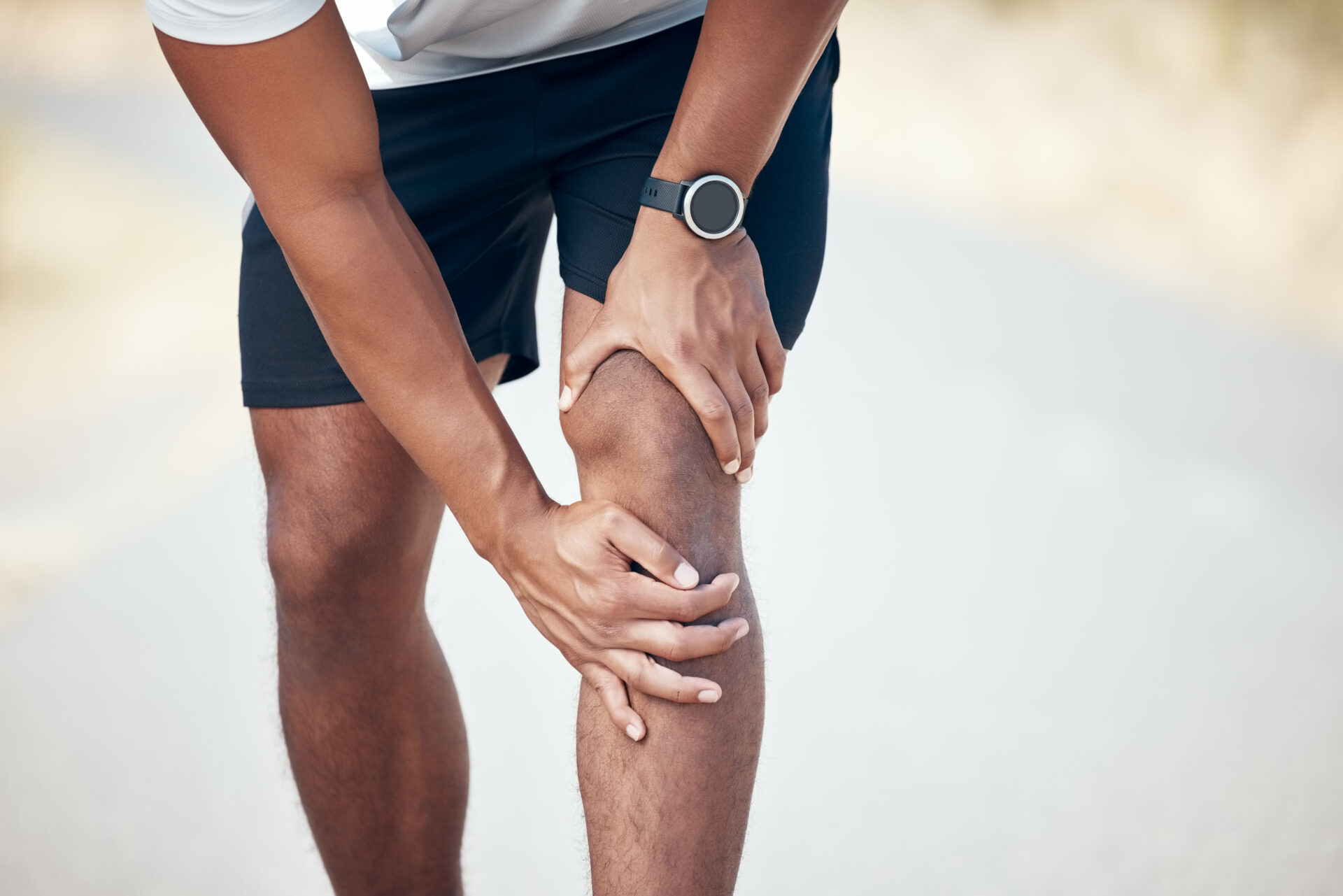
Knee pain can affect almost every step of daily life. It may make walking harder, stairs more uncomfortable, exercise more limited, or standing for long periods more difficult. For some patients, the pain starts suddenly after an injury. For others, it builds slowly over time and becomes part of their routine.
If you are searching for what causes knee pain, the answer depends on the structure involved. Knee pain may come from the joint, cartilage, ligaments, tendons, muscles, nerves, inflammation, arthritis, or even changes in the way the hip, ankle, or lower back moves.
At Gramercy Pain & Neuroscience Center, we provide advanced care for spine, joint, and nerve-related pain with a focus on personalized treatment, minimally invasive options, and long-term function. Our goal is to help patients understand the source of their pain and explore care options that may support better movement, comfort, and quality of life.
Start With the Question: How Did the Knee Pain Begin?
The way knee pain starts can give important clues about the cause.
Some knee pain begins suddenly. A patient may twist the knee, fall, land awkwardly, or feel pain during sports or exercise. This type of pain may be related to an injury, such as a ligament sprain, meniscus injury, tendon strain, or fracture.
Other knee pain develops gradually. It may begin as stiffness, aching, swelling, or discomfort with stairs. Over time, it may become more frequent and start affecting walking, standing, or daily activities. This pattern may be related to arthritis, overuse, tendon irritation, inflammation, or chronic joint changes.
At Gramercy, we evaluate knee pain by looking at the full story: how it started, where it hurts, what makes it worse, and how it affects daily movement.
Knee Pain Can Come From Different Structures
The knee is one of the most active joints in the body. It supports body weight, helps with walking and balance, and allows bending, straightening, turning, climbing, and standing.
Because the knee has many moving parts, pain can come from more than one source.
Knee pain may involve:
Cartilage
Cartilage helps cushion the joint. When it wears down or becomes damaged, pain, stiffness, and inflammation may develop.
Meniscus
The meniscus acts like a shock absorber inside the knee. Injury may cause pain, swelling, clicking, catching, or difficulty bending the knee.
Ligaments
Ligaments help stabilize the knee. A ligament injury may cause pain, swelling, instability, or a feeling that the knee may give way.
Tendons
Tendons connect muscles to bones. Tendon irritation may cause pain with stairs, running, jumping, squatting, or exercise.
Muscles
Weakness or imbalance in the thigh, hip, or calf muscles may increase stress on the knee.
Nerves
Nerve-related pain may feel burning, shooting, tingling, numb, or electric-like.
Inflammation
Inflammation may cause swelling, warmth, stiffness, and pain during movement.
Cause 1: Knee Arthritis
Arthritis is one of the most common causes of knee pain, especially when pain develops slowly over time.
Knee arthritis may cause:
- Aching pain
- Stiffness after rest
- Swelling
- Reduced range of motion
- Pain with stairs
- Pain after walking or standing
- Grinding or clicking sensations
- Difficulty getting up from a chair
Osteoarthritis happens when protective cartilage inside the joint gradually wears down. As the cartilage becomes thinner, the bones may move with less cushioning, leading to friction, inflammation, stiffness, and pain.
At Gramercy, we evaluate arthritis-related knee pain based on symptoms, mobility, functional limits, and the patient’s long-term goals.
Cause 2: Meniscus Injury
A meniscus injury may happen during twisting, squatting, sports, or sudden changes in direction. It may also happen gradually over time as the knee changes with age or repeated stress.
Symptoms may include:
- Pain inside or outside the knee
- Swelling
- Clicking or popping
- Catching or locking
- Difficulty bending or straightening the knee
- Pain when squatting or twisting
- A feeling that something is stuck inside the joint
Not every meniscus injury requires surgery. The right treatment depends on the type of tear, severity, symptoms, age, activity level, and whether the knee is mechanically locking or unstable.
Cause 3: Ligament Injury
Ligament injuries often happen after a sudden twist, fall, sports injury, or direct impact.
The main knee ligaments help keep the joint stable. When they are stretched or torn, the knee may feel painful, swollen, weak, or unstable.
A ligament injury may cause:
- Sudden pain
- Swelling soon after injury
- A popping sensation
- Difficulty walking
- Instability
- Pain with turning or pivoting
- Feeling that the knee may give way
Severe ligament injuries should be evaluated carefully because untreated instability may increase the risk of long-term joint problems.
As highlighted on Gramercy’s knee pain treatment page, severe untreated conditions such as ligament tears or advanced osteoarthritis may eventually lead to permanent joint damage and increase the likelihood of requiring surgery, including knee replacement.
Cause 4: Tendon Irritation or Tendon Injury
Tendon-related knee pain is common in patients who run, jump, climb stairs, exercise, or perform repetitive movements.
Tendons around the knee may become irritated from overuse, poor mechanics, weakness, or sudden increases in activity.
Tendon pain may feel worse when:
- Going up or down stairs
- Running
- Jumping
- Squatting
- Kneeling
- Standing after sitting
- Exercising without enough recovery
Tendon pain may start as mild soreness, then become more persistent if the tendon continues to be overloaded.
Cause 5: Bursitis
Bursae are small fluid-filled sacs that reduce friction around joints. When a bursa becomes irritated or inflamed, it can cause pain, swelling, and tenderness.
Knee bursitis may become worse with:
- Kneeling
- Repeated pressure on the knee
- Overuse
- Direct impact
- Inflammatory conditions
- Certain work or sports activities
Patients may notice swelling near the front, inside, or back of the knee depending on which bursa is affected.
Cause 6: Patellofemoral Pain
Patellofemoral pain is pain around or behind the kneecap. It is sometimes called “runner’s knee,” but it can affect people who do not run.
This type of pain may happen when the kneecap does not move smoothly or when the muscles around the hip and knee do not support movement properly.
Symptoms may include:
- Pain around the kneecap
- Pain with stairs
- Pain after sitting for long periods
- Pain during squats or lunges
- Clicking or grinding
- Discomfort when getting up from a chair
This type of knee pain is often connected to movement patterns, muscle weakness, or overuse.
Cause 7: Pain Referred From the Hip, Back, or SI Joint
Not all knee pain begins in the knee.
Sometimes, pain in or around the knee may be influenced by the hip, lower back, or sacroiliac joint. When one area of the body is painful or restricted, the body may change how it moves. Over time, this can increase stress on the knee.
SI joint dysfunction may sometimes contribute to secondary problems, including lower back, hip, or knee pain. This can happen when pain or stiffness changes posture, walking pattern, or movement mechanics.
This is why a knee pain evaluation should consider the full movement chain, not only the knee joint itself.
Cause 8: Nerve-Related Knee Pain
Some knee pain may be nerve-related, especially when the pain feels different from typical joint pain.
Nerve-related knee pain may feel:
- Burning
- Shooting
- Electric
- Tingling
- Numb
- Sensitive to touch
- Radiating from another area
Nerve irritation may come from the lower back, local nerve compression, prior surgery, injury, or chronic pain signaling.
At Gramercy, we use nerve-focused treatments for selected patients when symptoms suggest nerve involvement. Pulsed radiofrequency neuromodulation may sometimes be used for chronic pain in the knees, hips, and shoulders when other treatments have not provided enough relief.
What Makes Knee Pain Worse?
Knee pain may become worse because of repeated stress, poor recovery, or untreated movement problems.
Common triggers include:
Stairs
Climbing stairs can place more pressure on the kneecap and joint.
Long sitting
Some patients feel stiffness or pain after sitting for long periods.
High-impact exercise
Running, jumping, or sudden training increases may irritate the knee.
Weak hip or thigh muscles
When support muscles are weak, the knee may absorb more stress.
Poor footwear
Shoes with poor support may affect walking mechanics.
Extra body weight
Weight-bearing joints like the knees may experience more pressure.
Ignoring early pain
Mild symptoms may become harder to manage if the cause is not addressed.
How Knee Pain Is Evaluated
The best treatment starts with understanding the source of pain.
A knee pain evaluation may include:
Pain location
Pain in the front, inside, outside, or back of the knee may suggest different causes.
Pain timing
Sudden pain after injury is different from pain that develops slowly.
Movement triggers
Stairs, squatting, walking, running, sitting, or kneeling can help identify the source.
Swelling or instability
Swelling, locking, catching, or giving way may suggest injury or joint irritation.
Nerve symptoms
Burning, tingling, numbness, or radiating pain may suggest nerve involvement.
Full movement assessment
The hips, ankles, lower back, and gait may also be reviewed because they can influence knee stress.
At Gramercy, our approach focuses on identifying the pain source before recommending treatment.
Treatment Depends on the Cause
There is no single best treatment for all knee pain because the causes are different.
Treatment may include:
Activity modification
Reducing painful movements or high-impact activity may help calm irritation.
Physical therapy
Therapy may help strengthen the hips, thighs, and surrounding muscles while improving flexibility, stability, and movement patterns.
Anti-inflammatory care
Medication may be recommended when appropriate based on the patient’s condition and medical history.
Bracing or support
A brace may help selected patients with instability, arthritis, or activity-related pain.
Targeted injections
Injections may be considered when inflammation, joint irritation, or pain is not improving with basic care.
Regenerative therapies
For selected patients, regenerative options such as PRP or Bone Marrow Aspirate may be discussed depending on the diagnosis and treatment goals.
Nerve-focused treatments
If symptoms suggest nerve-related pain, treatments such as nerve blocks or neuromodulation may be considered.
Surgical evaluation
In severe cases, surgery may be needed, especially when there is major structural damage, advanced arthritis, severe instability, or symptoms that do not improve with appropriate care.
At Gramercy, we specialize in minimally invasive procedures designed to support faster recovery, improved function, and decreased pain for selected patients.
When Should You See a Specialist for Knee Pain?
You should consider seeing a specialist if knee pain:
- Lasts more than a few weeks
- Keeps returning
- Causes swelling or stiffness
- Makes walking difficult
- Affects stairs, exercise, or sleep
- Causes instability or giving way
- Causes locking, catching, or clicking with pain
- Follows an injury
- Comes with numbness, tingling, or burning
- Does not improve with basic care
You should seek urgent care if you cannot bear weight, have severe swelling, notice a visible deformity, develop fever with joint redness or warmth, or experience sudden weakness.
Knee Pain Care in Beverly Hills, Los Angeles, Sherman Oaks, Encino, Brentwood, and Santa Monica
Patients in Beverly Hills, Los Angeles, Sherman Oaks, Encino, Brentwood, and Santa Monica often look for knee pain care when discomfort begins to affect movement, work, exercise, sleep, or quality of life.
At Gramercy Pain & Neuroscience Center in Beverly Hills, we provide advanced spine, joint, and nerve care using personalized treatment plans. Depending on the diagnosis, care options may include conservative guidance, targeted injections, regenerative therapies, nerve-focused treatments, and minimally invasive procedures.
If you are searching for what causes knee pain, the first step is understanding whether your pain is coming from arthritis, injury, tendon irritation, ligament damage, nerve involvement, referred pain, or another source.
Final Thoughts
Knee pain can be caused by many different factors, including arthritis, meniscus injury, ligament injury, tendon irritation, bursitis, kneecap tracking issues, nerve-related pain, or referred pain from the hip, back, or SI joint.
Because the causes are different, treatment should be personalized. The right care begins with understanding the source of pain and building a plan around the patient’s symptoms, movement, lifestyle, and goals.
At Gramercy Pain & Neuroscience Center, we help patients explore advanced care options designed to reduce pain, improve function, and support long-term movement and quality of life.