

What is Pulsed RFA?
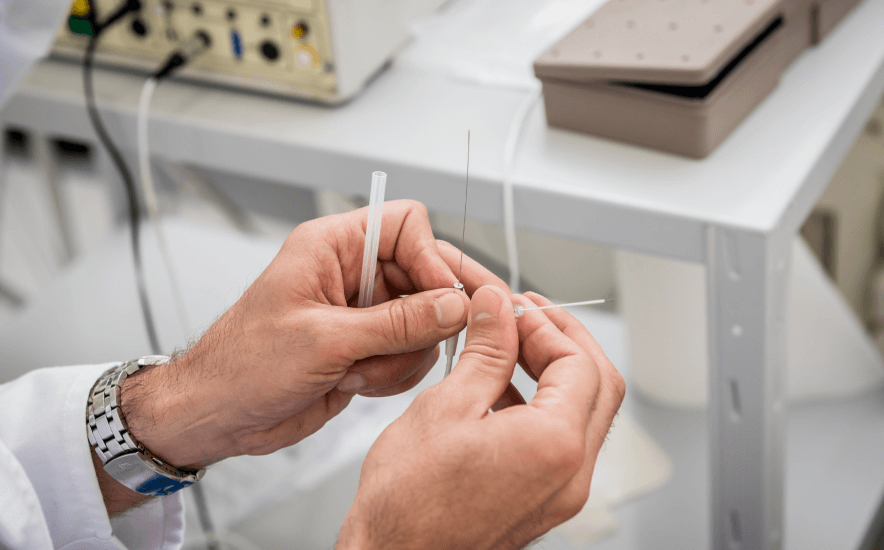
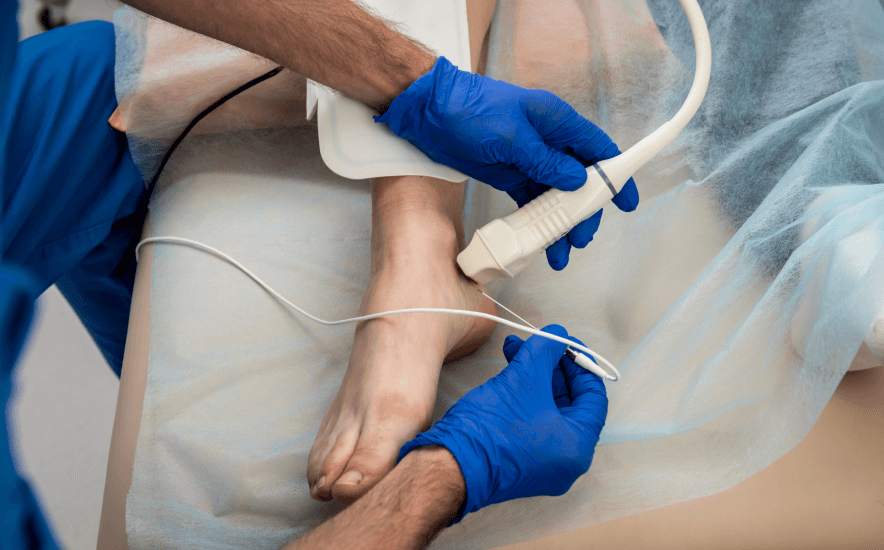
It works by placing a small needle near the nerve that is causing pain and sending gentle pulses of energy to calm that nerve. This helps reduce pain signals without damaging the surrounding area.
Because it is a gentle approach, it is often used in sensitive areas like the neck and lower back. Many patients feel more comfortable, move more easily, and return to their daily activities with less pain.
Pulsed RFA is a safe and effective option for people looking for long-lasting pain relief without surgery.

Benefits
Minimally Invasive

Preserves Nerve Function

Long-Lasting Pain Relief
Low Risk of Tissue Damage

Reduced Recovery Time

Repeatable Treatment

Reduced Need for Opioids

Wide Range of Applications
Expanded Guide
Pulsed RFA: A Gentle Treatment for Chronic Pain Relief
Pulsed RFA is a modern, minimally invasive treatment designed to help people who struggle with chronic pain, especially pain related to nerves.
It is often recommended for patients who have not found enough relief from medications, physical therapy, or other treatments.
A Smarter Way to Control Pain
Chronic pain is often caused by nerves sending strong or constant pain signals to the brain. This can make everyday activities uncomfortable and limit your movement.
Pulsed RFA works by calming these nerves and reducing the pain signals they send. Instead of damaging the nerve, it gently adjusts how the nerve behaves, helping you feel less pain.
How Pulsed RFA Helps
This treatment uses a small needle placed near the nerve causing pain. Gentle pulses are delivered to reduce the nerve’s sensitivity and improve comfort.
Because this method is gentle, it is often used in sensitive areas like the neck, back, and joints.
A Simple and Minimally Invasive Procedure
The procedure is quick and usually takes about 30 to 60 minutes. It is done without surgery, and most patients go home the same day.
Recovery is usually fast, with many people returning to normal activities within a short time.
Conditions That Can Benefit from Pulsed RFA
This treatment is commonly used for:
- Chronic back and neck pain
- Nerve-related pain
- Joint pain
- Pain that spreads to the arms or legs
- Pain after injury or surgery
It works best when the pain is coming from a specific nerve.
Benefits of Pulsed RFA
This treatment offers several important benefits:
- Long-lasting pain relief for many patients
- Gentle approach without damaging nerves
- Minimally invasive with no major surgery
- Quick recovery and minimal downtime
- Reduced need for pain medications
- Safe option for sensitive areas of the body
Many patients feel more comfortable, move more easily, and return to daily life with less pain.
A Practical Option for Long-Term Pain Management
Pulsed RFA provides a reliable, non-surgical option for managing chronic pain. By focusing on the source of the problem, it helps improve comfort, mobility, and quality of life.
For many patients, it offers a safe and effective way to live with less pain and more freedom in everyday activities.
Explore our related pain conditions, schedule a consultation, or review general treatment information.
Frequently Asked Questions
Have more questions? Schedule a consultation with Dr. Patel to gain additional insights and discuss treatment options. We are committed to advancing your health through patient education and a safe, minimally invasive approach.
Gramercy Center
Take the first step towards a healthier life by scheduling your initial consultation with Dr. Patel. At our clinic, we specialize in minimally invasive procedures that offer faster recovery, improved function, and decreased pain. Our client-centered approach ensures that you receive the highest quality care tailored to your unique needs. We look forward to offering you an exceptional experience.