
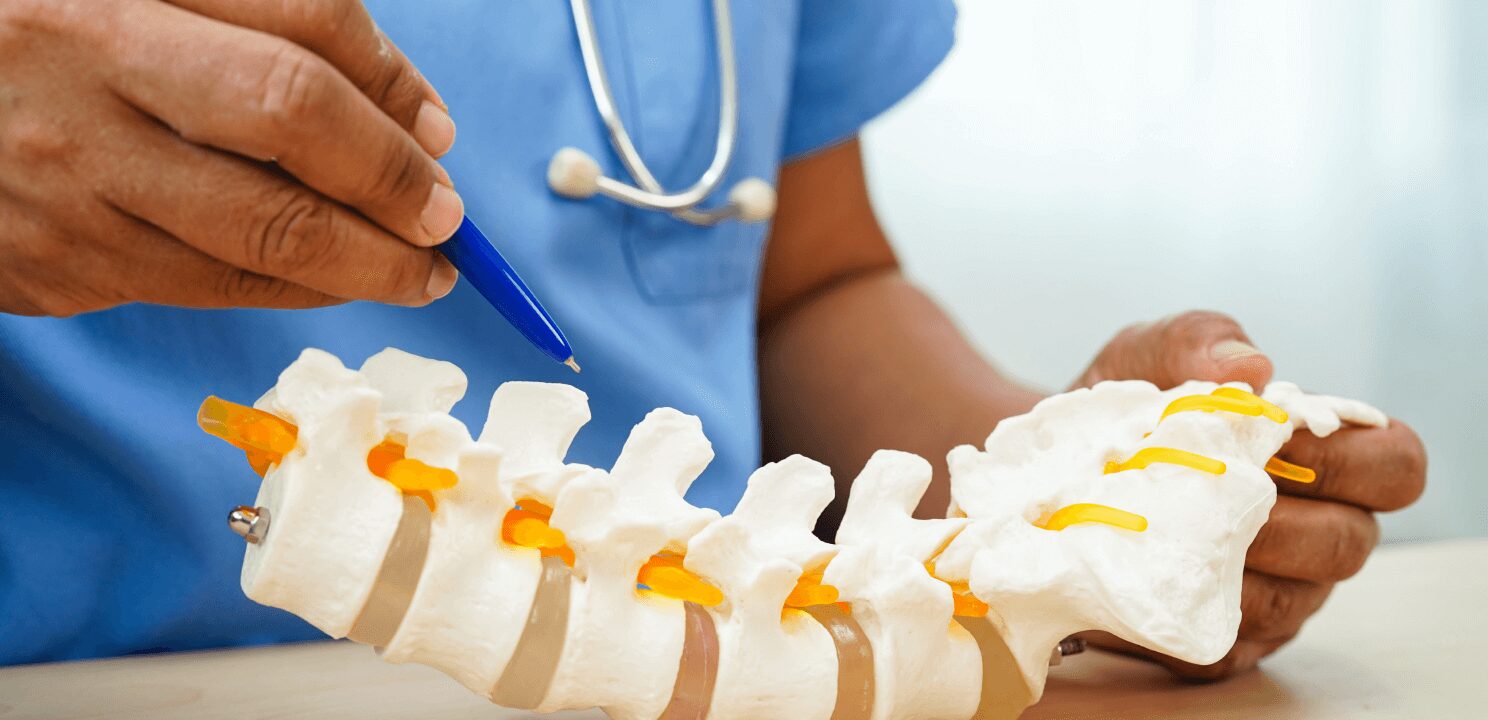
What is Minimally Invasive Lumbar Decompression?
This type of pain usually happens when the space in the lower spine becomes tight, putting pressure on the nerves. As a result, many people feel discomfort, heaviness, or difficulty walking for long periods.
The MILD procedure works by creating more space for those nerves, helping reduce the pressure that causes pain. With less pressure, patients often feel more comfortable, walk longer distances, and return to their daily routine with greater ease.
It’s a safe and effective option for those looking for real relief without going through major surgery.

Benefits

Effective Pain Relief
Improves Mobility

Minimally Invasive
Quicker Recovery Time

Outpatient Procedure

Low Risk of Complications
Preserves Spinal Stability

Alternative to Open Surgery
Expanded Guide
MILD Procedure: A Gentle Solution for Lower Back and Leg Pain
The MILD procedure is a modern, minimally invasive treatment designed to help people who struggle with lower back pain, leg pain, and difficulty walking.
This type of pain often happens when the space in the lower spine becomes tight over time. As that space narrows, it puts pressure on the nerves, which can lead to discomfort, numbness, or weakness in the legs. Many people also notice that standing or walking for long periods becomes difficult.
The MILD procedure helps relieve this pressure and allows you to move more comfortably again.
A Better Way to Treat Spinal Narrowing
As we age, changes in the spine can slowly reduce the space around the nerves. This can make everyday activities like walking, standing, or even simple movement feel tiring or painful.
The MILD procedure is designed to gently create more space for those nerves. By doing this, it reduces the pressure that causes pain and helps improve movement and comfort.
How the MILD Procedure Helps
This treatment works by removing a small amount of tissue that is causing pressure inside the lower spine.
By creating more room for the nerves, the procedure helps reduce pain and improve how your body moves. Many patients notice that they can walk longer distances and stay active with less discomfort.
A Simple and Minimally Invasive Procedure
The MILD procedure is done through a very small opening in the lower back. There is no major surgery involved, and the surrounding tissues are left mostly untouched.
The procedure usually takes about an hour, and patients go home the same day. Recovery is quick, and most people return to light activities within a few days.
Who Can Benefit from This Treatment
The MILD procedure is a good option for people who:
- Have ongoing lower back and leg pain
- Feel discomfort when standing or walking
- Have not found enough relief with medications or physical therapy
- Want to avoid traditional back surgery
It is especially helpful for those looking for a safer, less invasive solution.
Benefits of the MILD Procedure
This treatment offers several important benefits:
- Relief from lower back and leg pain
- Improved ability to walk and stay active
- Minimally invasive with no major surgery
- Quick recovery and same-day discharge
- Very low risk of complications
- Helps delay or avoid more invasive surgery
Many patients feel a clear improvement in their daily life after the procedure.
A Comfortable Path Back to Movement
Living with back and leg pain can limit your lifestyle, but it doesn’t have to stay that way. The MILD procedure offers a safe and effective way to reduce pain and regain mobility without going through major surgery.
For many patients, it means walking with less pain, moving more freely, and getting back to the activities they enjoy.
Explore our related pain conditions, schedule a consultation, or review general treatment information.
Frequently Asked Questions
Have more questions? Schedule a consultation with Dr. Patel to gain additional insights and discuss treatment options. We are committed to advancing your health through patient education and a safe, minimally invasive approach.
Gramercy Center
Take the first step towards a healthier life by scheduling your initial consultation with Dr. Patel. At our clinic, we specialize in minimally invasive procedures that offer faster recovery, improved function, and decreased pain. Our client-centered approach ensures that you receive the highest quality care tailored to your unique needs. We look forward to offering you an exceptional experience.