
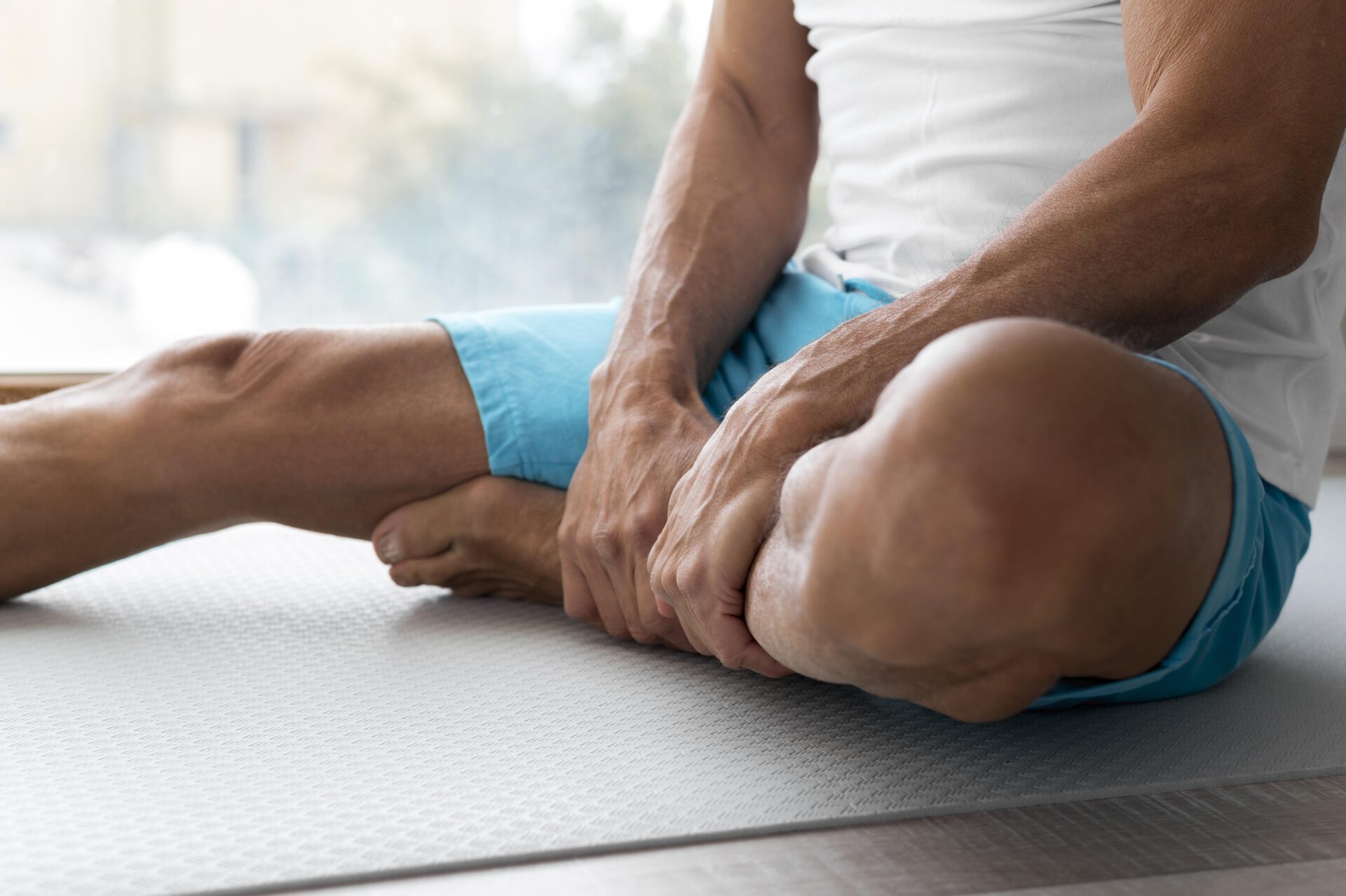
Knee pain can make simple movement feel harder than it should. Walking across a room, climbing stairs, standing from a chair, exercising, or getting through a busy day may become uncomfortable when the knee is painful, stiff, swollen, or unstable.
For some patients, knee pain starts after an injury. For others, it appears slowly and becomes part of daily life. The important thing to know is that knee pain treatment should not be one-size-fits-all. The right care depends on the cause of pain, the patient’s mobility, the severity of symptoms, and long-term goals.
At Gramercy Pain & Neuroscience Center, we provide advanced care for spine, joint, and nerve-related pain. Our approach focuses on personalized treatment, minimally invasive options, regenerative therapies when appropriate, and long-term function.
The Real Goal: Moving Better, Not Only Hurting Less
Pain relief matters, but mobility matters too.
Many patients want to:
- Walk without guarding every step
- Use stairs with less discomfort
- Return to exercise safely
- Sleep without knee pain waking them up
- Reduce stiffness after sitting
- Feel more stable while standing or walking
- Stay active for the long term
That is why knee pain care should focus on both comfort and function. Gramercy’s knee pain resources highlight that untreated or poorly managed knee pain may contribute to chronic pain, reduced mobility, muscle weakness, joint instability, and movement changes that can affect other joints.
Before Treatment: What Is Causing the Knee Pain?
The first step is understanding why the knee hurts.
Knee pain may come from:
Arthritis
Cartilage inside the knee may gradually wear down, causing stiffness, swelling, aching, and reduced movement.
Meniscus irritation or injury
The meniscus helps absorb shock in the knee. Injury may cause pain, swelling, catching, or difficulty bending.
Ligament injury
Ligaments help stabilize the knee. Injury may cause pain, swelling, weakness, or a feeling that the knee may give way.
Tendon irritation
Tendons around the knee may become painful from overuse, exercise, stairs, squatting, or repetitive movement.
Bursitis
Inflamed bursae may cause tenderness, swelling, or pain with pressure.
Nerve-related pain
Some knee pain may feel burning, shooting, electric, numb, or tingling.
Pain from the hip, back, or SI joint
Sometimes knee pain is influenced by movement changes from another area of the body.
At Gramercy, care begins with identifying the pain source so treatment can match the patient’s condition.
The Mobility Check: What Is Knee Pain Stopping You From Doing?
A helpful way to choose the right treatment path is to look at how knee pain affects daily movement.
If stairs are difficult
Pain with stairs may point to arthritis, kneecap irritation, tendon pain, or muscle weakness.
If the knee feels unstable
Instability may suggest ligament injury, muscle weakness, or joint changes.
If the knee is swollen
Swelling may be related to inflammation, arthritis, injury, or internal joint irritation.
If pain appears after sitting
Stiffness after rest may be seen with arthritis, kneecap irritation, or mobility limitations.
If pain worsens after activity
Exercise-related pain may involve tendons, cartilage, inflammation, or poor movement mechanics.
If pain feels burning or electric
This may suggest nerve involvement, especially if pain travels or comes with tingling or numbness.
This kind of symptom pattern helps guide the next step.
Option 1: Movement Support and Physical Therapy
Physical therapy is often one of the most important parts of knee pain treatment. It may help improve strength, flexibility, stability, balance, and walking mechanics.
A therapy plan may focus on:
Hip and thigh strength
Stronger muscles around the knee can reduce stress on the joint.
Flexibility
Tight muscles may increase pressure around the knee.
Balance and stability
This may help patients feel safer while walking or exercising.
Movement retraining
Changing how a patient squats, climbs stairs, or walks may reduce irritation.
Gradual return to activity
The goal is to move safely without overloading the knee too quickly.
Physical therapy does not work the same way for every patient, but it can be a strong foundation for improving mobility and long-term knee function.
Option 2: Activity Changes That Reduce Stress on the Knee
Sometimes the knee needs time to calm down before stronger activity returns.
Activity changes may include:
- Reducing high-impact movement during flare-ups
- Taking breaks from repetitive stairs or deep squats
- Switching to low-impact exercise
- Using supportive footwear
- Avoiding sudden increases in training
- Modifying work or daily movement habits
This does not mean patients should stop moving completely. In many cases, the goal is smarter movement, not no movement.
Option 3: Medication When Appropriate
Medication may be considered when pain or inflammation is limiting daily function.
This may include pain relievers, anti-inflammatory medication, or other options depending on the patient’s health history and diagnosis.
Medication should always be guided by a qualified provider, especially for patients with other medical conditions, kidney concerns, stomach issues, heart disease, diabetes, or medication interactions.
For many patients, medication works best as one part of a broader care plan rather than the full solution.
Option 4: Targeted Injections for Knee Pain
When pain continues despite basic care, targeted injections may be considered.
The right injection depends on the cause of knee pain. Injections may be used to reduce inflammation, calm irritation, or support better movement for selected patients.
At Gramercy, treatment options may involve minimally invasive approaches that aim to improve function, support recovery, and reduce pain when appropriate. Our care model focuses on advanced treatment in a patient-centered setting.
Injections may be considered when:
- Pain limits walking or stairs
- Inflammation is present
- Arthritis symptoms are affecting mobility
- Conservative care has not helped enough
- The patient wants to explore non-surgical options
- A targeted approach fits the diagnosis
A proper evaluation is needed before choosing an injection-based treatment.
Option 5: Regenerative Therapies for Selected Patients
Some patients ask whether regenerative medicine may help with knee pain.
Regenerative therapies may be considered for selected joint, tendon, ligament, or soft tissue conditions. The goal is to support the body’s natural healing response, reduce pain, and improve function when appropriate.
At Gramercy, regenerative options may include Platelet-Rich Plasma Therapy or Bone Marrow Aspirate, depending on the patient’s condition, symptoms, and goals.
Regenerative medicine is not a guaranteed cure and is not right for every knee condition. It may not be suitable for advanced joint destruction, major instability, severe structural damage, or cases that require surgical evaluation.
The best first step is understanding whether the knee pain source is appropriate for regenerative care.
Option 6: Nerve-Focused Treatment for Chronic Knee Pain
Some knee pain may involve nerve irritation or chronic pain signaling.
This type of pain may feel:
- Burning
- Shooting
- Electric
- Tingling
- Numb
- Sensitive to touch
- Difficult to localize
At Gramercy, pulsed radiofrequency neuromodulation may sometimes be used for chronic joint pain in areas such as the knees, hips, and shoulders when other treatments have not helped enough. This treatment is designed to modulate pain signals while preserving normal nerve function.
Nerve-focused care may be considered when symptoms suggest nerve involvement or when pain remains chronic despite other treatment efforts.
Option 7: Minimally Invasive Care Before Major Surgery
Many patients want to know whether knee pain can be treated without surgery.
In many cases, non-surgical or minimally invasive options may be considered first, depending on the diagnosis and severity of the condition.
At Gramercy, we specialize in minimally invasive procedures that may support faster recovery, improved function, and decreased pain for selected patients.
However, surgery may still be needed when there is severe structural damage, advanced arthritis, major ligament injury, severe instability, or symptoms that do not improve with appropriate care.
The goal is not to avoid surgery in every situation. The goal is to choose the safest and most appropriate care path.
When Knee Pain Should Not Be Ignored
You may benefit from medical evaluation if knee pain:
- Lasts more than a few weeks
- Keeps returning
- Causes swelling or stiffness
- Makes walking difficult
- Affects stairs, exercise, or sleep
- Causes instability or giving way
- Causes locking or catching
- Follows an injury
- Comes with numbness, tingling, or burning
- Does not improve with basic care
Seek urgent care if you cannot bear weight, have severe swelling, notice a visible deformity, develop fever with joint redness or warmth, or experience sudden weakness.
How We Approach Knee Pain Treatment at Gramercy
At Gramercy Pain & Neuroscience Center, knee pain care begins with understanding the patient’s story.
We look at:
How the pain started
Sudden injury and gradual pain may require different care.
Where the pain is located
Front, back, inner, outer, or deep knee pain may point to different causes.
What movements trigger symptoms
Stairs, walking, squatting, sitting, or exercise can guide the evaluation.
How pain affects mobility
The goal is to understand how pain is changing daily life.
What treatment has already been tried
Previous therapy, medication, injections, or surgeries can shape the next step.
What the patient wants to regain
Walking, exercise, sleep, work, and independence all matter.
From there, we create a personalized plan focused on pain relief, mobility, and long-term function.
Knee Pain Treatment in Beverly Hills, Los Angeles, Sherman Oaks, Encino, Brentwood, and Santa Monica
Patients in Beverly Hills, Los Angeles, Sherman Oaks, Encino, Brentwood, and Santa Monica often search for knee pain treatment when discomfort begins to affect walking, stairs, exercise, sleep, or daily confidence.
At Gramercy Pain & Neuroscience Center in Beverly Hills, treatment options may include conservative guidance, physical therapy support, targeted injections, regenerative therapies when appropriate, nerve-focused treatment, and minimally invasive care for selected patients.
If you are searching for knee pain treatment, the first step is understanding whether the pain is coming from arthritis, injury, tendon irritation, ligament damage, nerve involvement, or another source.
Final Thoughts
Knee pain treatment should focus on more than temporary relief. The right plan should help reduce discomfort, improve mobility, protect function, and support long-term movement.
Some patients may benefit from physical therapy and activity changes. Others may need targeted injections, regenerative therapies, nerve-focused care, or minimally invasive treatment options when appropriate.
At Gramercy Pain & Neuroscience Center, we help patients understand the source of knee pain and explore personalized care options designed to support comfort, mobility, and quality of life.