
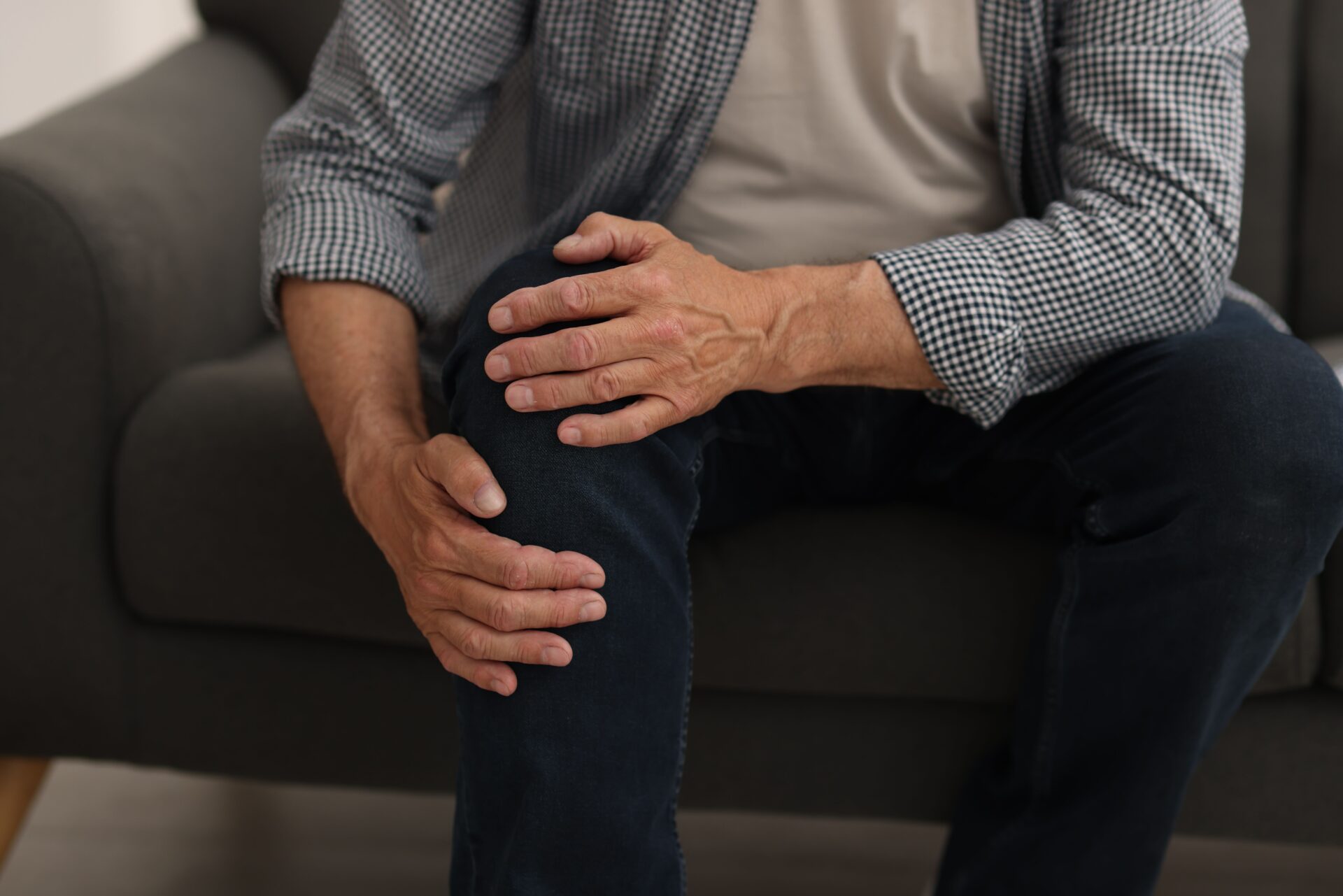
Osteoarthritis pain can start slowly. At first, it may feel like mild stiffness in the morning or discomfort after walking, exercising, or using the joint for a long time. Over time, the pain may become more noticeable and begin to affect daily movement.
If you are searching for what causes osteoarthritis pain, the simple answer is this: osteoarthritis pain usually happens when the protective cartilage inside a joint wears down, leading to friction, inflammation, stiffness, and reduced mobility.
At Gramercy Pain & Neuroscience Center in Beverly Hills, patients receive advanced care for spine, joint, and nerve conditions with a focus on helping patients reduce pain, restore function, and improve overall well-being. At Gramercy we describe ourselves as a destination for advanced spine, joint, and nerve care.
The Joint Pain Story: What Changes Inside the Joint?
A healthy joint is designed to move smoothly. The ends of the bones are covered with cartilage, a smooth protective tissue that helps reduce friction during movement.
In osteoarthritis, this cartilage gradually wears down. When the cartilage becomes thinner or damaged, the joint may no longer glide as smoothly as before.
This can lead to:
More friction inside the joint
As cartilage wears down, the bones may move with less cushioning.
Inflammation
The joint may become irritated, swollen, and painful.
Stiffness
The joint may feel harder to move, especially after rest or in the morning.
Reduced range of motion
Movement may become limited because of pain, swelling, or joint changes.
Compensatory pain
When one painful joint changes the way you move, other areas may become strained too.
At Gramercy, we understand osteoarthritis pain as a result of gradual cartilage breakdown within the joint, which may increase bone friction, inflammation, stiffness, and discomfort over time.
Why Osteoarthritis Pain Happens
Osteoarthritis pain is not caused by cartilage loss alone. Pain can happen because several changes are happening together inside and around the joint.
1. Cartilage Breakdown
Cartilage works like a cushion. When it wears down, the joint may lose some of its smooth movement. This can cause pain during walking, bending, gripping, lifting, or other daily activities depending on which joint is affected.
Gramercy’s wrist pain page explains that osteoarthritis happens when the protective cartilage covering the ends of bones wears down over time, causing the bones to rub against one another and leading to pain, stiffness, and swelling.
2. Bone-on-Bone Friction
As cartilage becomes thinner, the bones may come closer together. This may create more friction inside the joint and lead to pain with movement.
This does not always mean the joint is fully “bone-on-bone,” but it does mean the joint may have less protection than before.
3. Inflammation Around the Joint
Osteoarthritis is often called a “wear-and-tear” condition, but inflammation can still play an important role.
When the joint becomes irritated, it may feel swollen, warm, tender, or painful. Inflammation can also make stiffness worse.
4. Joint Stiffness
Many patients with osteoarthritis notice stiffness after sitting, sleeping, or resting. This happens because the joint may become less flexible and more sensitive after periods of inactivity.
The pain may improve after gentle movement, but it can return after too much activity.
5. Muscle Weakness and Joint Stress
The muscles around a joint help protect and support it. When these muscles become weak, the joint may carry more pressure.
For example, weak hip and thigh muscles may increase stress on the knee. Weak shoulder or upper back muscles may worsen shoulder pain.
6. Changes in Movement
Pain can change how you walk, stand, lift, or use your body. Over time, these changes may create stress in nearby joints and muscles.
For example, knee pain may affect the hip, ankle, or lower back. Hip pain may affect walking balance and increase the risk of falls, especially in older adults.
Where Osteoarthritis Pain Can Happen
Osteoarthritis can affect many joints. The pain pattern depends on the location.
Knee Osteoarthritis
Knee osteoarthritis may cause pain while walking, climbing stairs, standing, or getting up from a chair. It may also cause swelling, stiffness, clicking, or reduced mobility.
Hip Osteoarthritis
Hip osteoarthritis may cause pain in the groin, outer hip, buttock, or thigh. Some patients notice pain when walking, getting in and out of a car, or standing for long periods.
Shoulder Osteoarthritis
Shoulder osteoarthritis may cause pain, stiffness, swelling, and reduced range of motion as cartilage wears down and friction increases between the bones.
Hand and Wrist Osteoarthritis
Hand or wrist osteoarthritis may cause stiffness, swelling, tenderness, weak grip, or pain with typing, writing, cooking, or holding objects.
Spine Osteoarthritis
Osteoarthritis in the spine may contribute to neck pain, back pain, stiffness, nerve irritation, or symptoms that travel into the arms or legs. At Gramercy we note that dorsalgia, or back pain, may be related to degenerative changes in the spine such as osteoarthritis, herniated discs, or other conditions.
What Can Make Osteoarthritis Pain Worse?
Osteoarthritis symptoms can change from day to day. Some patients have mild pain most of the time with occasional flare-ups. Others experience more constant discomfort.
Common triggers may include:
Long periods of inactivity
Sitting or resting for too long may increase stiffness.
Too much activity at once
Long walks, heavy lifting, repeated stairs, or intense exercise may trigger flare-ups.
Poor movement patterns
Improper lifting, poor posture, or uneven walking may increase joint stress.
Weak muscles
Weak support muscles can place more pressure on the affected joint.
Weight gain
Extra weight may increase stress on weight-bearing joints such as the knees, hips, and ankles.
Previous injury
Past fractures, ligament injuries, dislocations, or sports injuries may increase the risk of osteoarthritis later.
Repetitive stress
Work, sports, or daily habits that repeatedly load the same joint may worsen symptoms over time.
How Osteoarthritis Pain Is Diagnosed
Diagnosis starts by understanding the patient’s symptoms and how pain affects daily life.
A provider may ask:
Where is the pain located?
The location helps identify which joint or structure may be involved.
When does the pain appear?
Pain with activity, morning stiffness, or pain after rest may suggest different patterns.
What makes the pain worse or better?
Movement, rest, stairs, gripping, lifting, or walking can give important clues.
Is there swelling or stiffness?
These symptoms may suggest inflammation or joint irritation.
Has there been a previous injury?
Old injuries can contribute to joint changes over time.
A diagnosis may include a physical exam, range-of-motion testing, strength testing, imaging when needed, and a review of previous treatments.
The goal is not only to confirm osteoarthritis. The goal is to understand how much of the pain is coming from the joint and whether other structures, like nerves, tendons, or nearby muscles, are also involved.
Treatment Should Match the Pain Source
The best treatment for osteoarthritis pain depends on the joint involved, the severity of symptoms, and the patient’s goals.
If pain is mild or early
Care may begin with activity changes, guided exercise, physical therapy, weight management, supportive braces, or medication when appropriate.
If pain is related to inflammation
A provider may recommend anti-inflammatory strategies or targeted injections depending on the joint and diagnosis.
If pain is limiting movement
Physical therapy may help improve strength, mobility, balance, and joint support.
If pain becomes chronic
Pain management options may be considered to help reduce discomfort and improve function. At Gramercy, pulsed radiofrequency neuromodulation may sometimes be used for chronic joint pain in areas such as the knees, hips, and shoulders when other treatments have not helped enough.
If joint damage is severe
Surgery may be considered when joint damage is advanced, pain is severe, or non-surgical options no longer provide enough relief.
The goal is not to use the same treatment for every patient. The goal is to choose the right care based on the source of pain.
Non-Surgical Options That May Help Osteoarthritis Pain
Many patients start with non-surgical care before considering surgery.
Non-surgical options may include:
Physical therapy
Therapy can help strengthen the muscles around the joint, improve movement, and reduce pressure on painful areas.
Lifestyle changes
Weight management, low-impact exercise, better posture, and activity pacing may reduce joint stress.
Medication management
Pain-relieving or anti-inflammatory medication may be recommended depending on the patient’s condition and medical history.
Targeted injections
Injections may be used to reduce inflammation or provide relief in selected cases.
Regenerative medicine
For some patients, regenerative options may be considered as part of a personalized care plan, depending on the joint, severity, and diagnosis.
Nerve-focused treatments
When chronic pain signals become part of the problem, nerve-focused procedures may be considered after careful evaluation.
When Osteoarthritis Pain Needs Medical Attention
You should consider seeing a specialist if osteoarthritis pain is interfering with your daily life or becoming more frequent.
A Medical evaluation may be helpful if you have:
- Pain lasting more than a few weeks
- Joint stiffness that limits movement
- Swelling or tenderness
- Pain that affects walking, gripping, lifting, or sleeping
- Reduced range of motion
- Pain that keeps returning
- Weakness or instability
- Pain after a previous injury
- Symptoms that do not improve with basic care
Early care may help reduce flare-ups, protect movement, and support long-term function.
Osteoarthritis Pain Care in Beverly Hills, Los Angeles, Sherman Oaks, Encino, Brentwood, and Santa Monica
Patients in Beverly Hills, Los Angeles, Sherman Oaks, Encino, Brentwood, and Santa Monica often look for advanced joint pain care that helps them stay active and avoid unnecessary procedures when possible.
Gramercy Pain & Neuroscience Center provides care for patients seeking advanced treatment for spine, joint, and nerve conditions.
If you are searching for what causes osteoarthritis pain, the first step is identifying what is happening inside the joint and how it is affecting your movement, comfort, and quality of life.
Final Thoughts
Osteoarthritis pain is usually caused by a combination of cartilage breakdown, friction, inflammation, stiffness, muscle weakness, and changes in movement. It can affect the knees, hips, shoulders, hands, wrists, spine, and other joints.
The right treatment depends on the cause, severity, joint involved, and patient goals.
At Gramercy Pain & Neuroscience Center in Beverly Hills, patients receive personalized care focused on reducing pain, improving function, and supporting better movement through advanced spine, joint, and nerve care.