
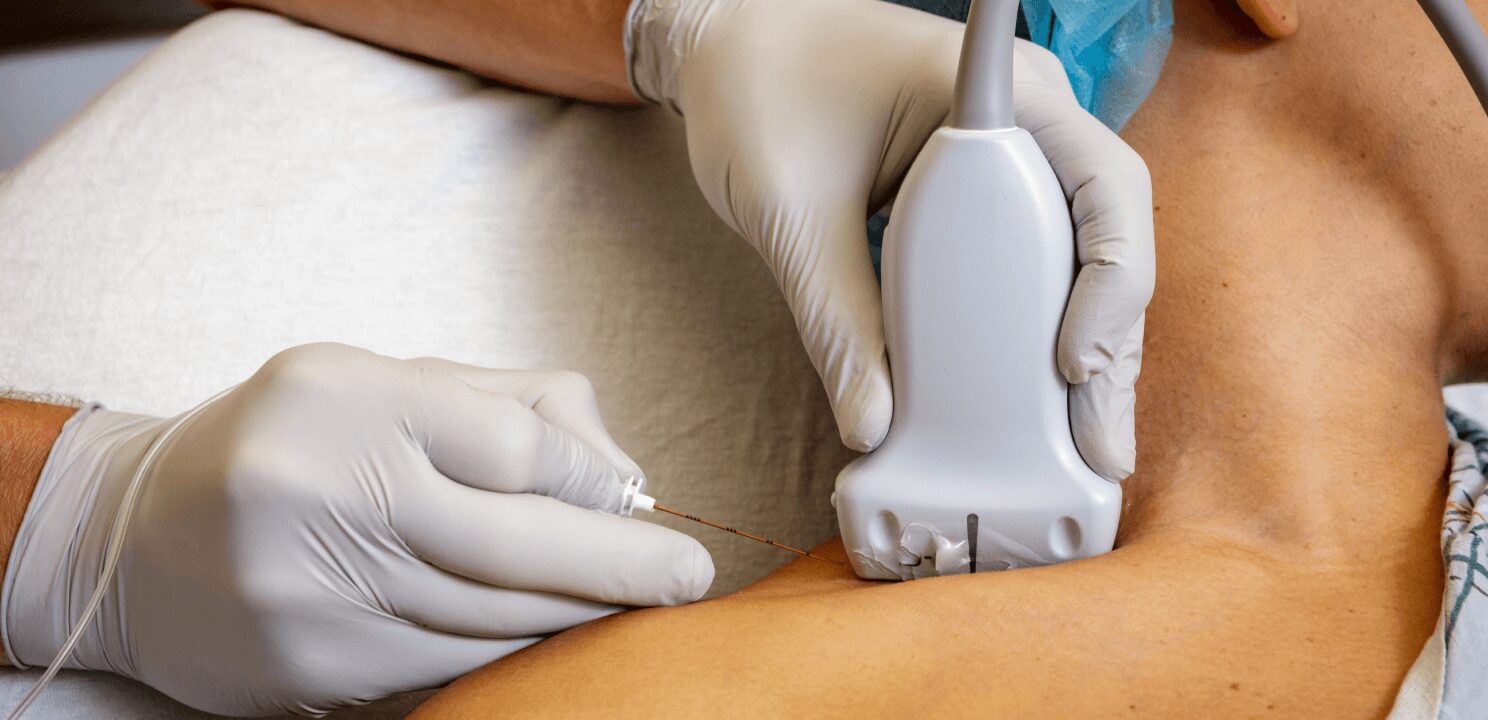
What are Peripheral Nerve Blocks?

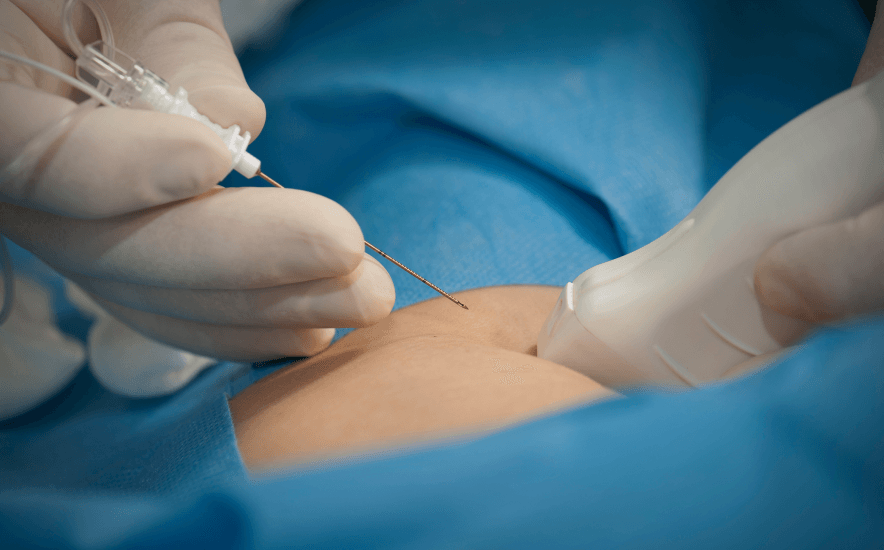

Benefits

Targeted Pain Relief

Reduction in Medications
Minimally Invasive
Immediate Symptom Relief

Long-Lasting Pain Relief
Improves Mobility & Recovery

Low Risk of Complications

Customizable for Conditions
Expanded Guide
Peripheral nerve blocks are minimally invasive procedures designed to provide targeted pain relief by injecting a local anesthetic and, in some cases, corticosteroids near specific peripheral nerves. This technique blocks the transmission of pain signals from the targeted area to the brain, effectively numbing the area for hours, days, or even weeks, depending on the medication used. Peripheral nerve blocks are commonly used for managing postoperative pain, acute injuries, and chronic pain conditions, offering an effective way to reduce or avoid reliance on systemic pain medications like opioids. The procedure is typically performed with imaging guidance, such as ultrasound or fluoroscopy, to ensure precise needle placement, increasing both safety and effectiveness. Nerve blocks can target various areas, including the upper limbs, trunk, and lower limbs, allowing for tailored pain relief based on the location of pain or surgical needs.
Applications for Specific Nerves
- Radial Nerve Block: The radial nerve runs along the upper arm and controls sensation and movement in parts of the forearm, wrist, and hand. A radial nerve block is often used to manage pain from fractures, surgeries, or injuries in the arm and hand. By blocking the radial nerve, this procedure helps relieve pain and promotes recovery following surgeries, allowing patients to manage pain without systemic medications.
- Ulnar Nerve Block: The ulnar nerve travels along the inner arm, extending to the hand, and is responsible for sensation in the ring and little fingers. An ulnar nerve block is typically used for procedures on the hand, wrist, or elbow, or to relieve pain associated with ulnar nerve entrapment (often known as “cubital tunnel syndrome”). This block allows for precise, localized pain relief in the hand and fingers, particularly helpful in postoperative recovery.
- Ilioinguinal and Iliohypogastric Nerve Block: The ilioinguinal and iliohypogastric nerves are located in the lower abdominal region and are often targeted for pain relief after abdominal or groin surgeries. These nerve blocks are commonly used for managing pain associated with hernia repairs and can be beneficial in patients with chronic lower abdominal pain. By blocking these nerves, the injection reduces pain in the lower abdomen and groin area, aiding in quicker recovery and reducing reliance on oral pain medications.
- Femoral Nerve Block and Branches: The femoral nerve runs from the pelvis down the front of the thigh, providing sensation and motor control in the thigh, knee, and parts of the lower leg. A femoral nerve block is often used to manage pain after knee surgeries, hip surgeries, or femur fractures. Targeting the femoral nerve and its branches offers effective pain relief for the thigh and knee area, making it easier for patients to mobilize and engage in physical therapy post-surgery.
- Tibial Nerve Block and Branches: The tibial nerve, a branch of the sciatic nerve, runs down the back of the leg and controls sensation in the lower leg, foot, and toes. A tibial nerve block is useful for pain relief following surgeries of the ankle and foot, or in cases of chronic pain conditions affecting these areas. Blocking the tibial nerve and its branches provides precise pain control for the back of the leg and foot, making it an effective option for post-injury or postoperative pain.
- Superficial and Deep Peroneal Nerve Blocks: The peroneal nerves (superficial and deep branches) provide sensation and control movement in parts of the lower leg and foot. These nerve blocks are often used for pain management following foot and ankle surgeries, fractures, or other injuries in the lower leg. By blocking the superficial and deep peroneal nerves, pain relief is provided to the lateral and anterior portions of the lower leg and foot, allowing for enhanced mobility and reduced pain after surgical procedures.
Benefits
Peripheral nerve blocks offer numerous benefits for individuals needing targeted pain management. By providing precise pain relief, these injections directly target specific nerves, reducing discomfort in localized areas such as the arm, leg, or abdomen. This approach minimizes the need for systemic pain medications like opioids, thereby lowering the risk of side effects and dependency. The procedure is minimally invasive, involving only a small needle, which makes it quick and simple with no major incisions or lengthy recovery times. Nerve blocks also provide immediate symptom relief due to the local anesthetic, allowing patients to experience comfort shortly after the procedure. Depending on the medication used, the effects can last from several hours to weeks, making nerve blocks beneficial for both short-term and extended pain relief. Reduced pain from nerve blocks enables patients to regain mobility and actively participate in physical therapy, supporting faster and more effective recovery, especially post-surgery. The procedure carries a low risk of complications, particularly when imaging guidance is used for precise placement, making it a safe and reliable option. Additionally, peripheral nerve blocks are versatile and can be customized to address various areas and conditions, such as radial nerve pain in the arm, femoral nerve pain in the leg, or ilioinguinal nerve pain in the abdomen, making them a valuable treatment for a range of medical needs.
Conclusion
Peripheral nerve blocks provide a valuable, minimally invasive approach to pain management, offering precise and targeted relief for a range of acute and chronic conditions. Whether used for the radial and ulnar nerves in the arm, ilioinguinal nerves in the abdomen, or femoral, tibial, and peroneal nerves in the lower extremities, nerve blocks allow for effective pain control that promotes mobility and recovery. With high success rates, minimal risks, and sustained pain relief, peripheral nerve blocks are an excellent option for those seeking localized relief from surgery, injury, or chronic pain, improving both comfort and quality of life.
Frequently Asked Questions
Have more questions? Schedule a consultation with Dr. Patel to gain additional insights and discuss treatment options. We are committed to advancing your health through patient education and a safe, minimally invasive approach.
Gramercy Center
Take the first step towards a healthier life by scheduling your initial consultation with Dr. Patel. At our clinic, we specialize in minimally invasive procedures that offer faster recovery, improved function, and decreased pain. Our client-centered approach ensures that you receive the highest quality care tailored to your unique needs. We look forward to offering you an exceptional experience.