

What are Medial Branch Blocks?


Benefits

Accurate Pain Diagnosis
Minimally Invasive

Immediate Pain Relief

Guides Further Treatment

Avoids Unnecessary Treatments
Quick Recovery
Enhanced Mobility

Low Risk of Side Effects
Expanded Guide
A diagnostic medial branch block is a minimally invasive procedure used to identify whether specific facet joints in the spine are the source of a patient’s pain. The facet joints, located between vertebrae, help support the spine’s structure and guide movement, but they can develop arthritis, inflammation, or degeneration over time. This can lead to chronic pain in the neck, mid-back, or lower back. When a patient experiences pain potentially originating from these joints, a medial branch block can help confirm this diagnosis and guide further treatment.
Purpose and Function of Medial Branch Blocks
Each facet joint is innervated by small nerves called medial branch nerves, which transmit pain signals from the joint to the brain. If these nerves are the source of pain, temporarily numbing them with a local anesthetic can relieve the discomfort, allowing physicians to pinpoint the pain’s origin. This temporary relief is the primary indicator used to confirm that the targeted facet joint is indeed the source of the problem, differentiating it from other possible sources, such as muscle or nerve root issues.
The Procedure
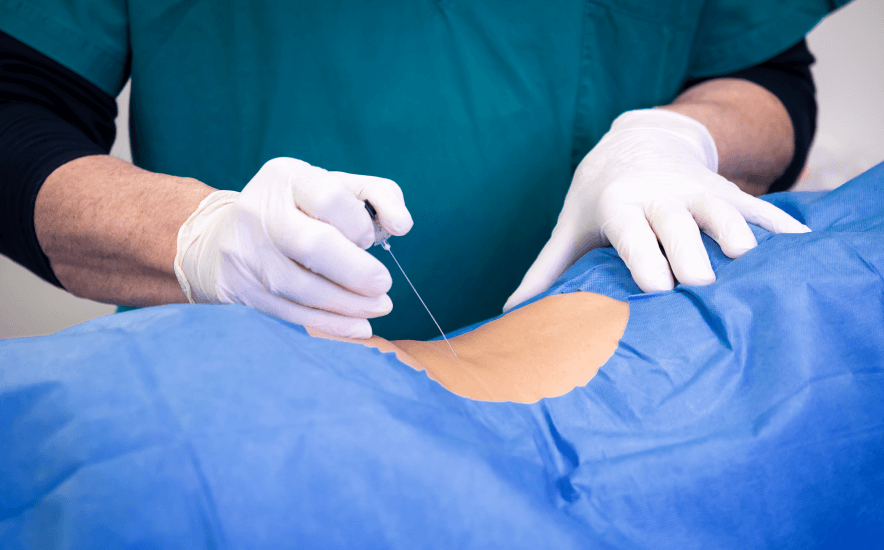
A medial branch block is typically performed as an outpatient procedure, allowing patients to return home shortly afterward. The patient lies on an examination table, and the skin over the target area is cleaned and sterilized. Local anesthesia is applied to numb the injection site. Using fluoroscopic guidance (a type of X-ray imaging), the physician then carefully inserts a thin needle near the medial branch nerves that correspond to the facet joints suspected of causing pain. Once the needle is accurately positioned, a small amount of anesthetic is injected around the medial branch nerves, temporarily blocking their ability to transmit pain signals.
The entire procedure typically takes 20 to 30 minutes. Afterward, the patient is monitored briefly and asked to assess their pain levels, both immediately and over the next few hours. A significant decrease in pain suggests that the facet joints are likely the pain source, while little to no relief might indicate that the pain originates elsewhere.
Diagnostic Role and Importance
Medial branch blocks are primarily diagnostic rather than therapeutic, meaning they are designed to identify the source of pain rather than provide long-term relief. However, they play a crucial role in planning effective pain management strategies. For patients who experience significant temporary relief, the next step is often a longer-lasting treatment, such as radiofrequency ablation (RFA). RFA uses heat to “burn” or disrupt the medial branch nerves, providing a more prolonged pain relief option that can last months or even years.
Benefits
Diagnostic medial branch blocks offer several notable benefits for patients with suspected facet joint-related pain. One of the primary advantages is their ability to accurately diagnose whether the facet joints are the true source of the pain, which enables a targeted treatment plan. The procedure is minimally invasive, involving only a small needle and local anesthetic, so patients avoid the risks and recovery time associated with surgery. Additionally, medial branch blocks provide immediate, though temporary, pain relief, helping both patients and providers confirm the pain’s source. For those who experience relief from the block, the procedure often serves as a guide toward longer-lasting treatments like radiofrequency ablation (RFA), which can provide sustained pain management. This accurate diagnostic method also helps prevent unnecessary treatments or surgeries for unrelated conditions, ensuring that resources are directed toward the most effective solutions.
Medial branch blocks are performed as an outpatient procedure, so patients benefit from a quick recovery and can usually return to daily activities shortly afterward. Temporary pain relief from the block can improve mobility and comfort, making it easier for patients to engage in daily tasks and physical activities. Overall, these injections are considered safe and have a low risk of complications, making them a reliable diagnostic tool for most patients in need of pain diagnosis and targeted relief options.
Conclusion
Diagnostic medial branch blocks are a valuable tool in identifying facet joint pain and guiding treatment decisions. By temporarily numbing specific nerves, the procedure allows physicians to determine whether the facet joints are the primary pain source. For patients experiencing relief, it often serves as a gateway to longer-lasting treatments like radiofrequency ablation. Quick, minimally invasive, and effective for diagnostic purposes, medial branch blocks play an essential role in modern pain management, offering clarity and direction to those struggling with chronic spinal pain.
Frequently Asked Questions
Have more questions? Schedule a consultation with Dr. Patel to gain additional insights and discuss treatment options. We are committed to advancing your health through patient education and a safe, minimally invasive approach.
Gramercy Center
Take the first step towards a healthier life by scheduling your initial consultation with Dr. Patel. At our clinic, we specialize in minimally invasive procedures that offer faster recovery, improved function, and decreased pain. Our client-centered approach ensures that you receive the highest quality care tailored to your unique needs. We look forward to offering you an exceptional experience.